The Merchant's Table
I have always enjoyed working with like-minded partners, so I was delighted when Susanna Cook of The Merchant’s Table suggested a collaboration. Susanna has created something very special in this little corner of Suffolk - in her own words:
The Merchant’s Table is a physical shop, gallery and online shop which celebrates craft objects made in the modern British tradition... We source functional work with a narrative. These are objects that reflect the places they were made and the heritage of past craftspeople. Our artists acknowledge this past and go on to design and create for today.
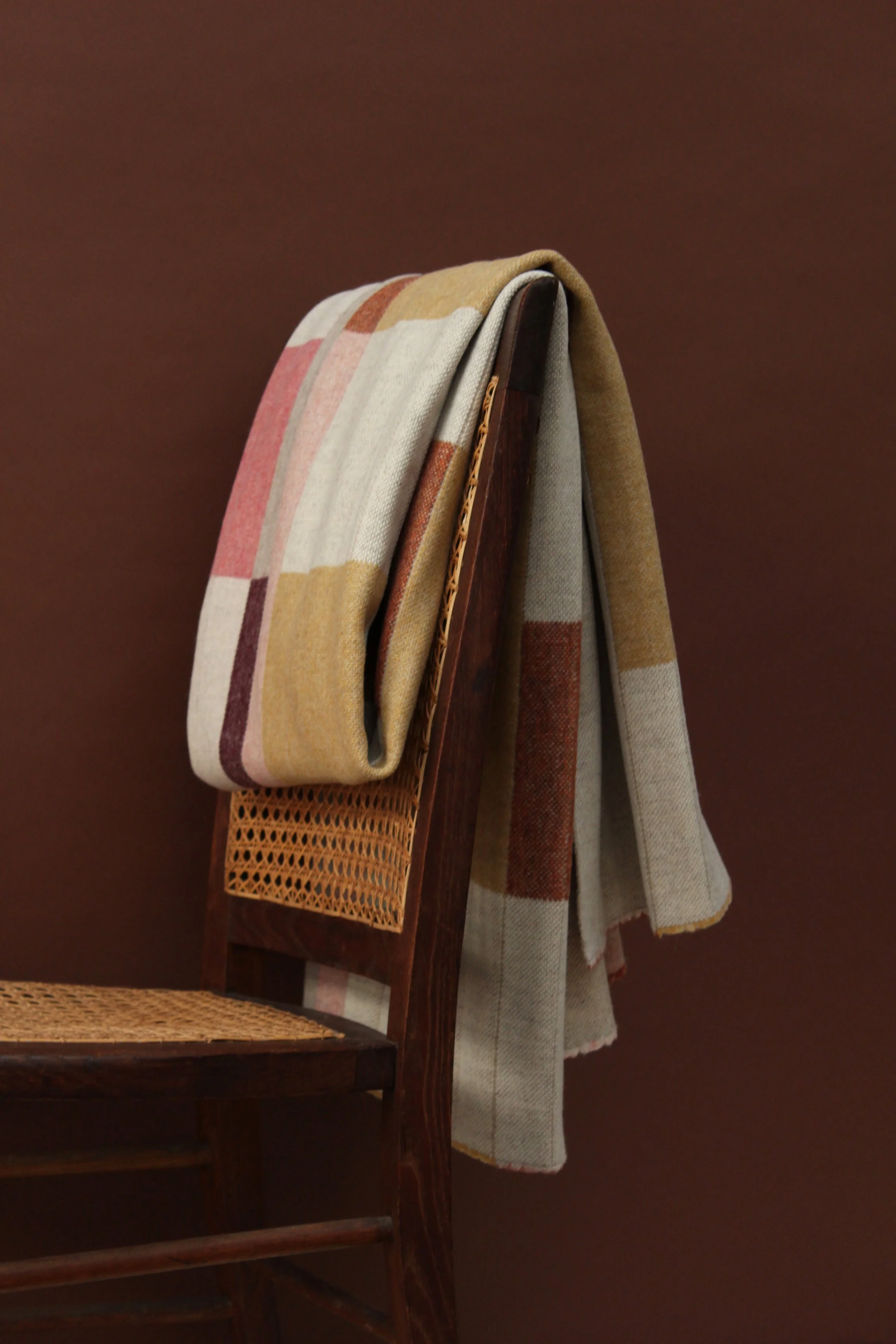
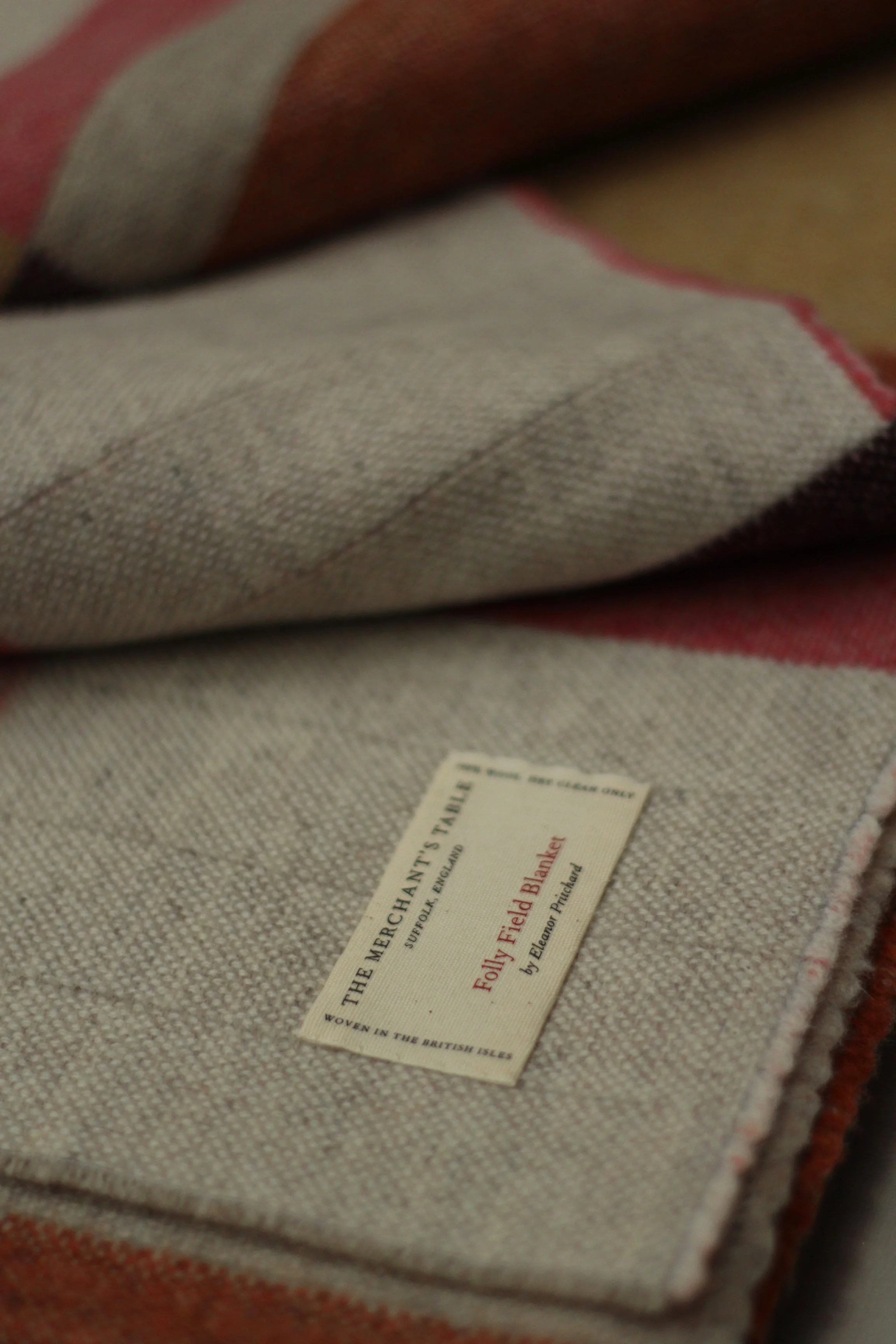
The result is a pair of exclusive new blankets - Apple Acre and Folly Field. The wonderfully poetic names are borrowed from local Twentieth Century farmer, ruralist and country writer Adrian Bell, and the designs are rooted in the Suffolk landscape he celebrated.
It has been a lovely process working with Susanna on the blankets. She is something of an accidental shopkeeper, after falling for the beautiful double-fronted Georgian store in the market town of Woodbridge. With her other hat on Susanna is the Founder & Creative Director of Allies Design Studio - a much-lauded graphic design studio working with visionary independent food brands. Inadvertently I have long known and admired her work as the graphic designer behind the iconic Pump Street Chocolate brand.
Susanna has a great eye for colour and earlier in the year we spent a lovely afternoon sitting at her kitchen table drinking tea and looking at yarn colours and shade cards.
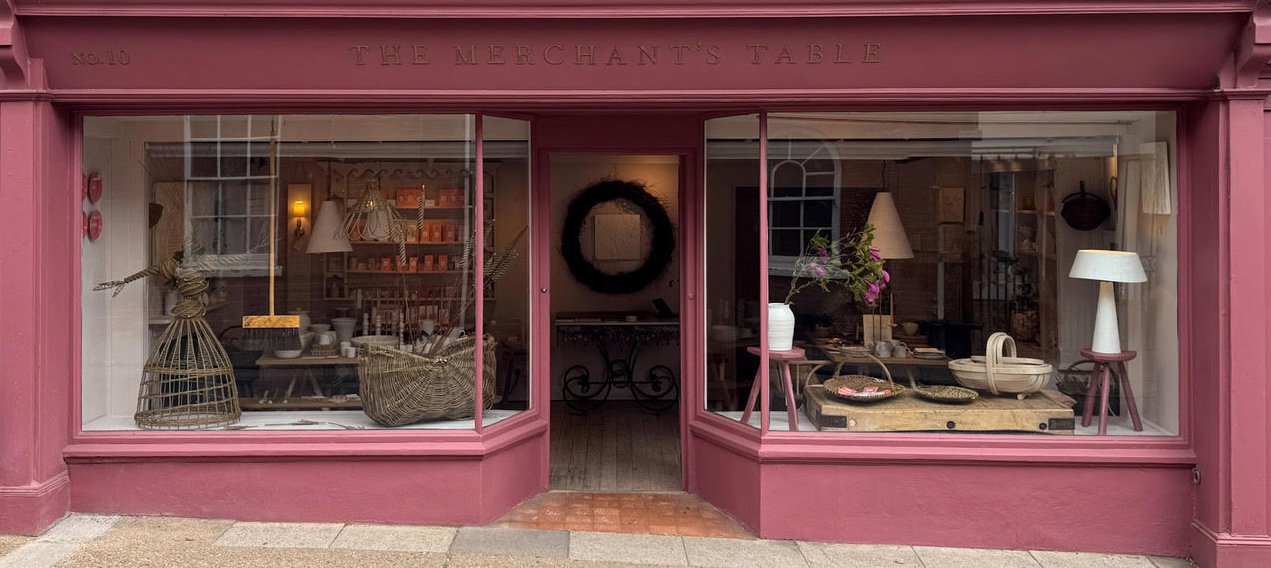
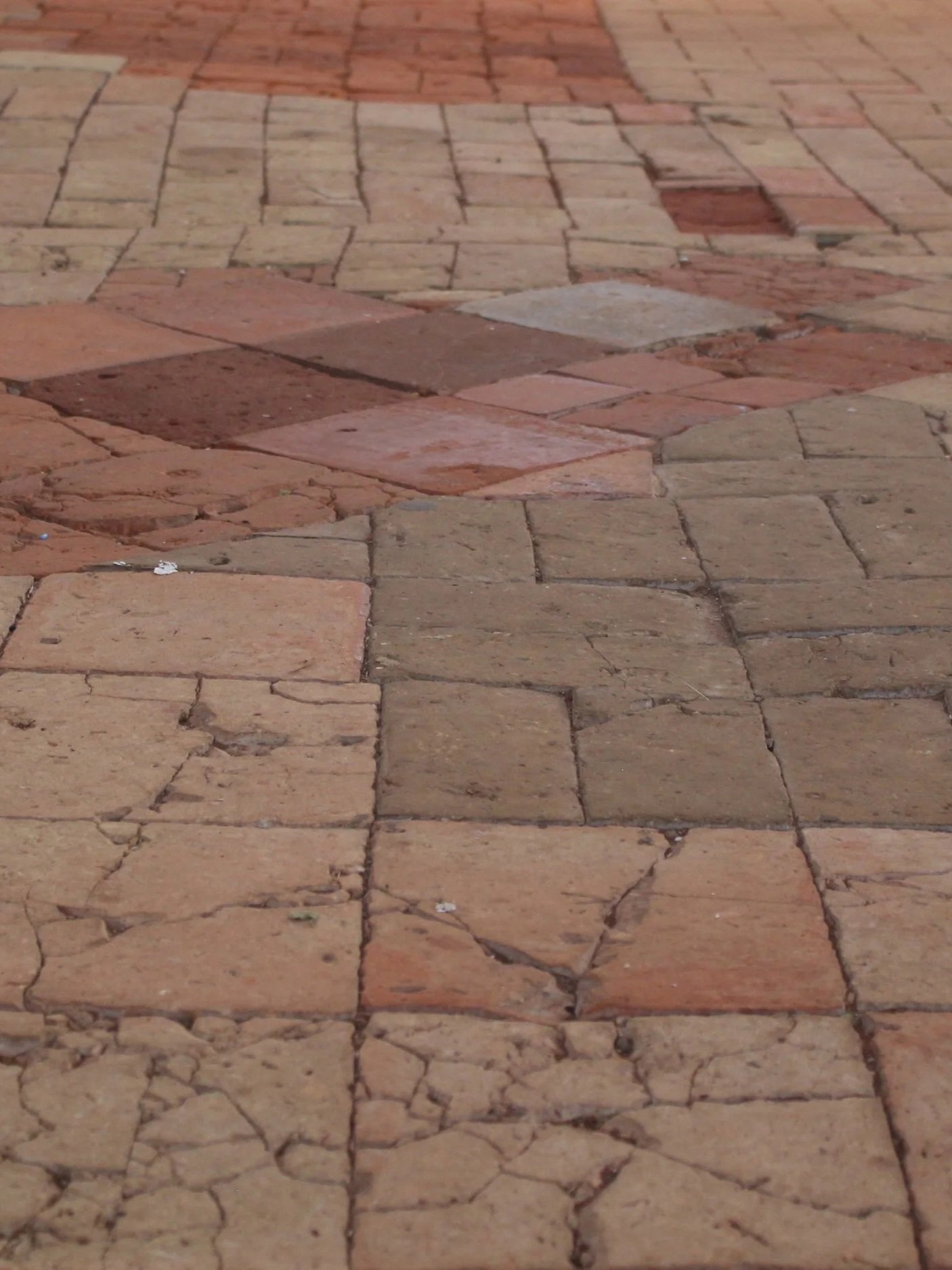
We wanted a palette which reflected something of the uniqueness of this wonderful place - so for the Folly Field blanket we added a deep warm pink yarn to echo the welcoming Rubus tone of the shop front. The beautiful terracotta quarry tiles in the doorstep are also reflected in the palette, alongside chalk, oatmeal, straw, plaster pink and a deep damson red.
Folly Field owes something too to folk and vernacular patchwork quilts with its playful pattern of blocks and stripes in changing colours and combinations.
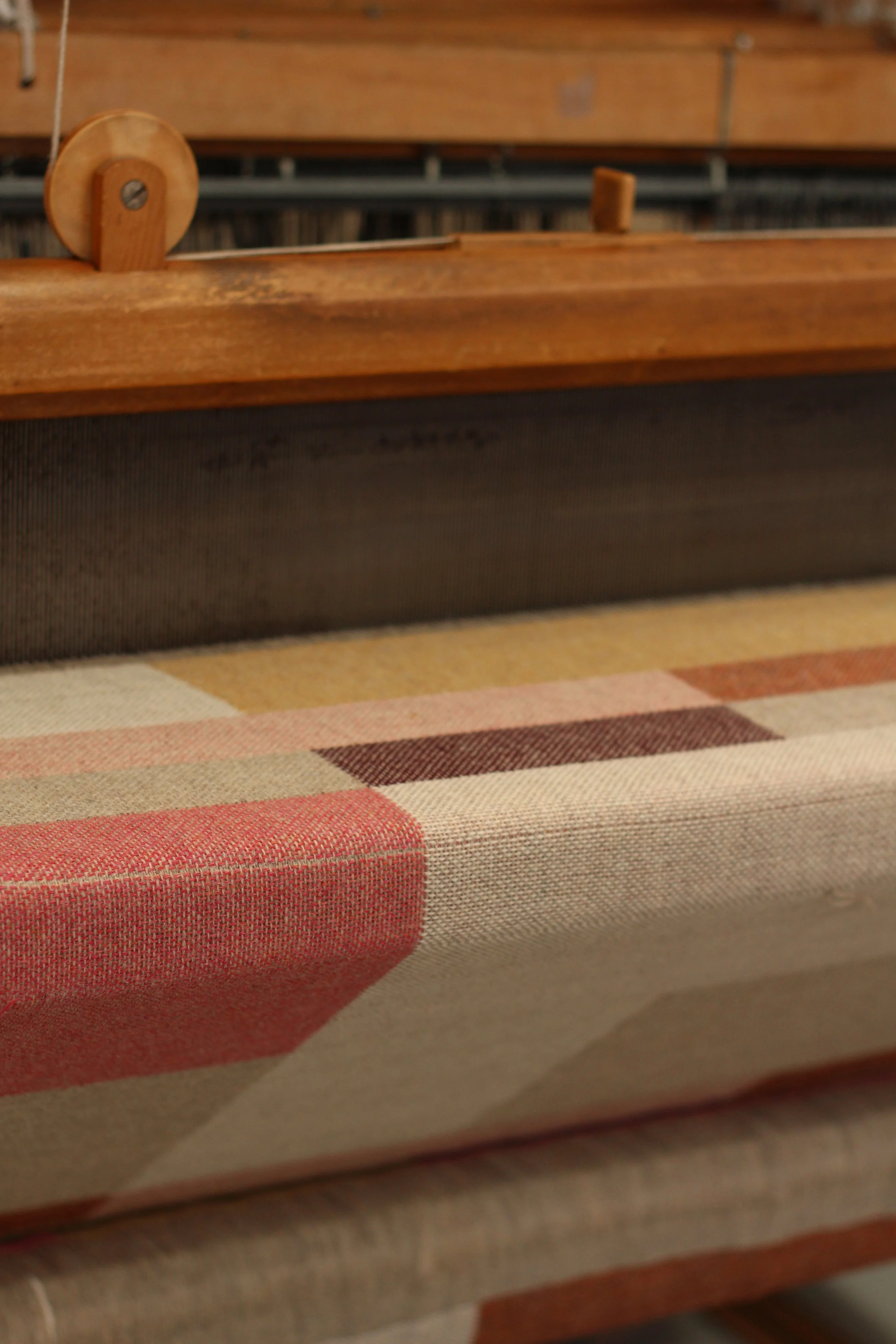
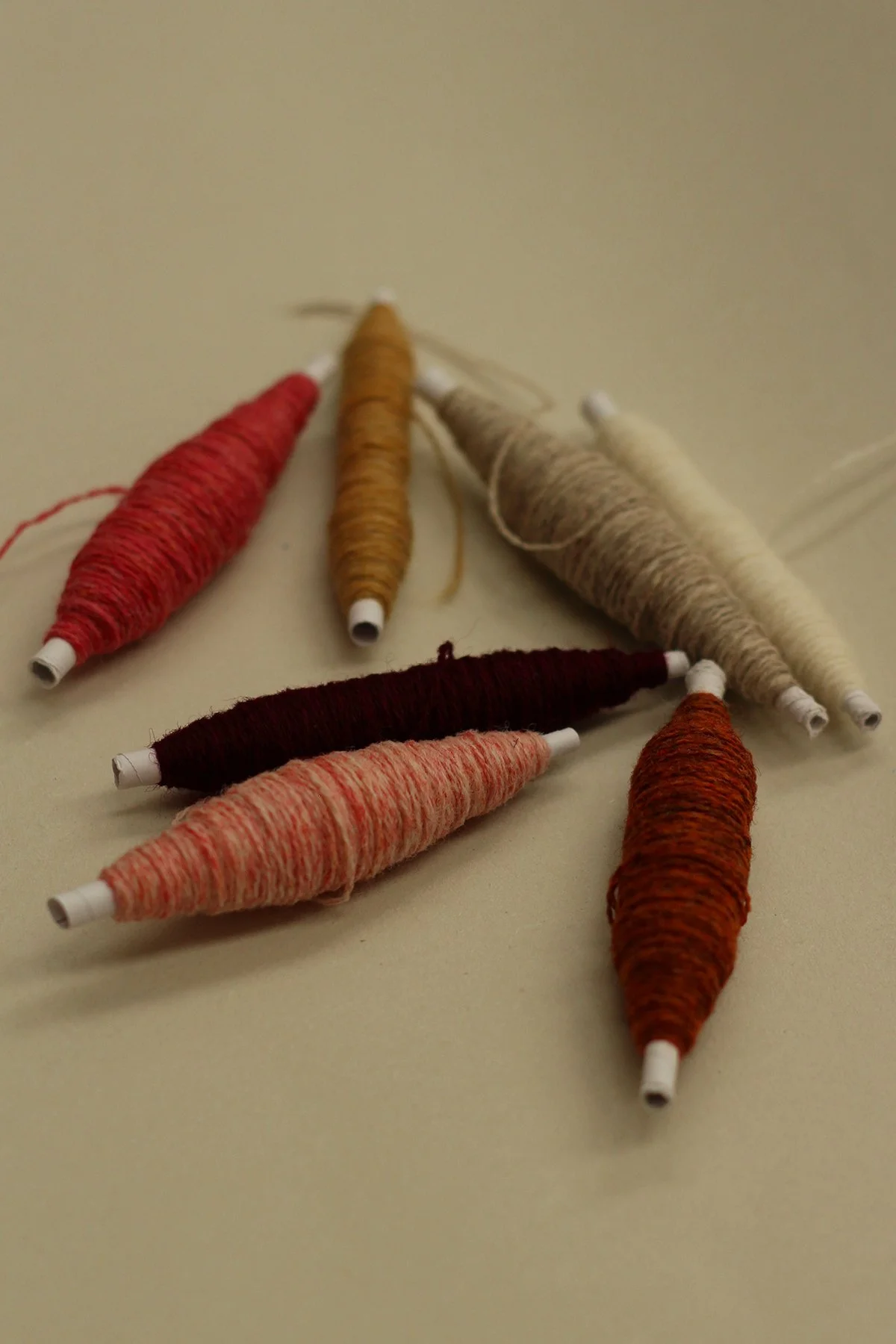
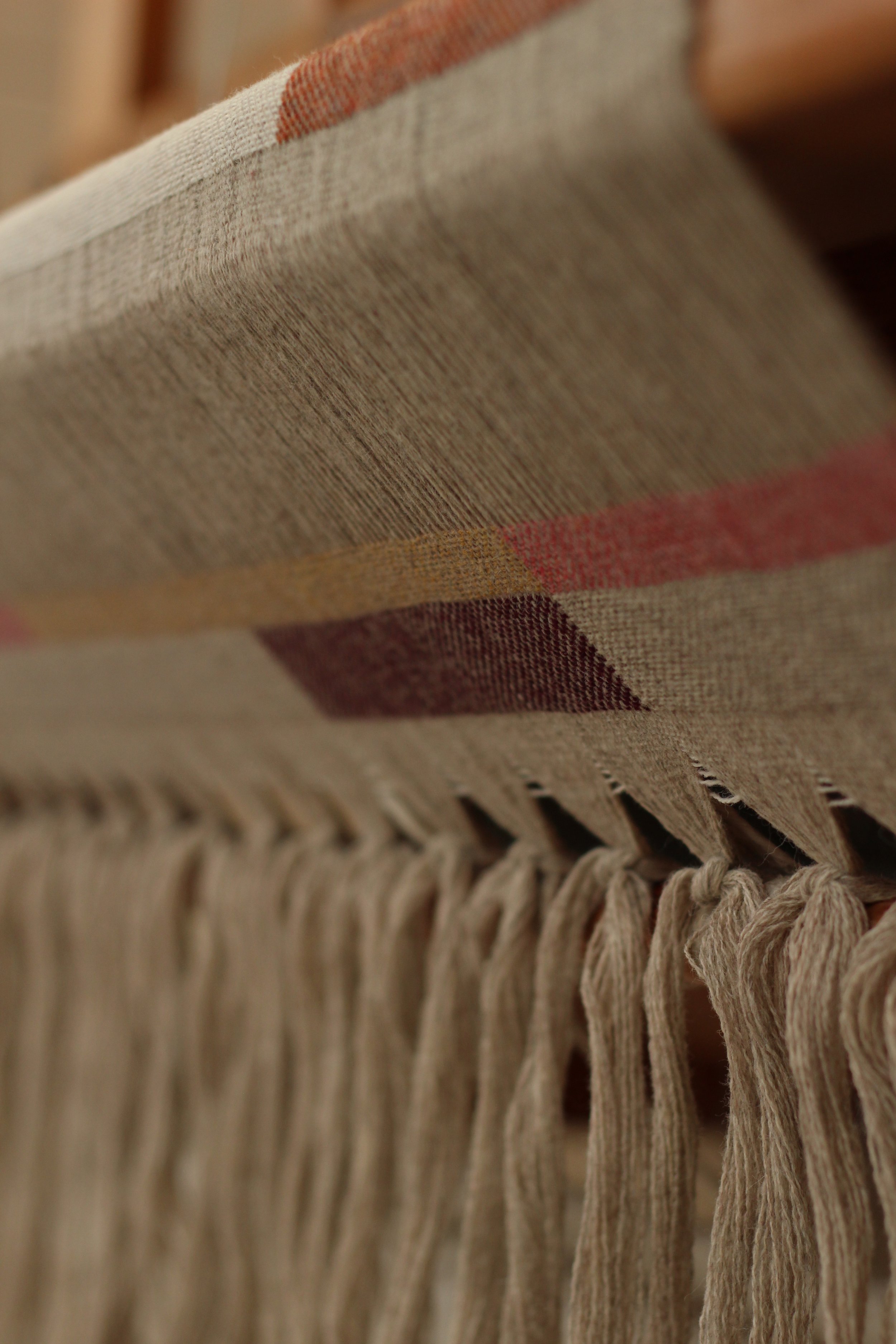
As with all my blankets, the design and sampling process is very hands-on in the studio. In the images above you see my old George Wood dobby loom with the full-scale double-cloth samples in progress. Even after many many years of weaving, it is always exciting - and often still surprising - to see how designs and colours develop on the loom as the warp and weft yarns weave together and the structure of the cloth takes shape.
After hand-weaving the samples, they are cut off the loom and washed and pressed - it’s really only at this stage that they start to feel like a fabric. It is at this point that you get a sense of the texture, the weight and the feel of the blankets.
Folly Field and Apple Acre both have fine score-lines in the weave structure. These run across the surface of the fabric creating a subtle rib - a little reminiscent of quilting lines.
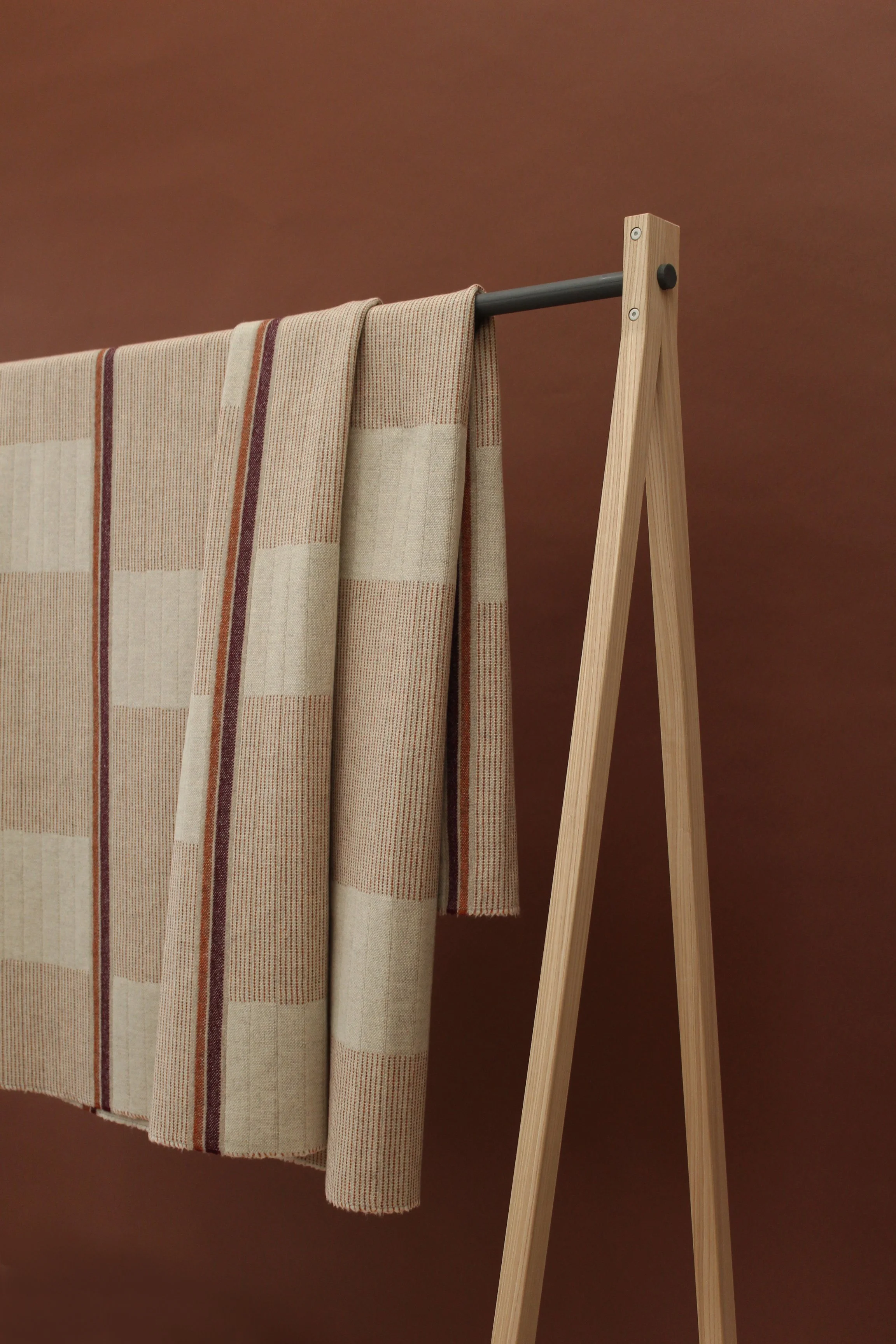
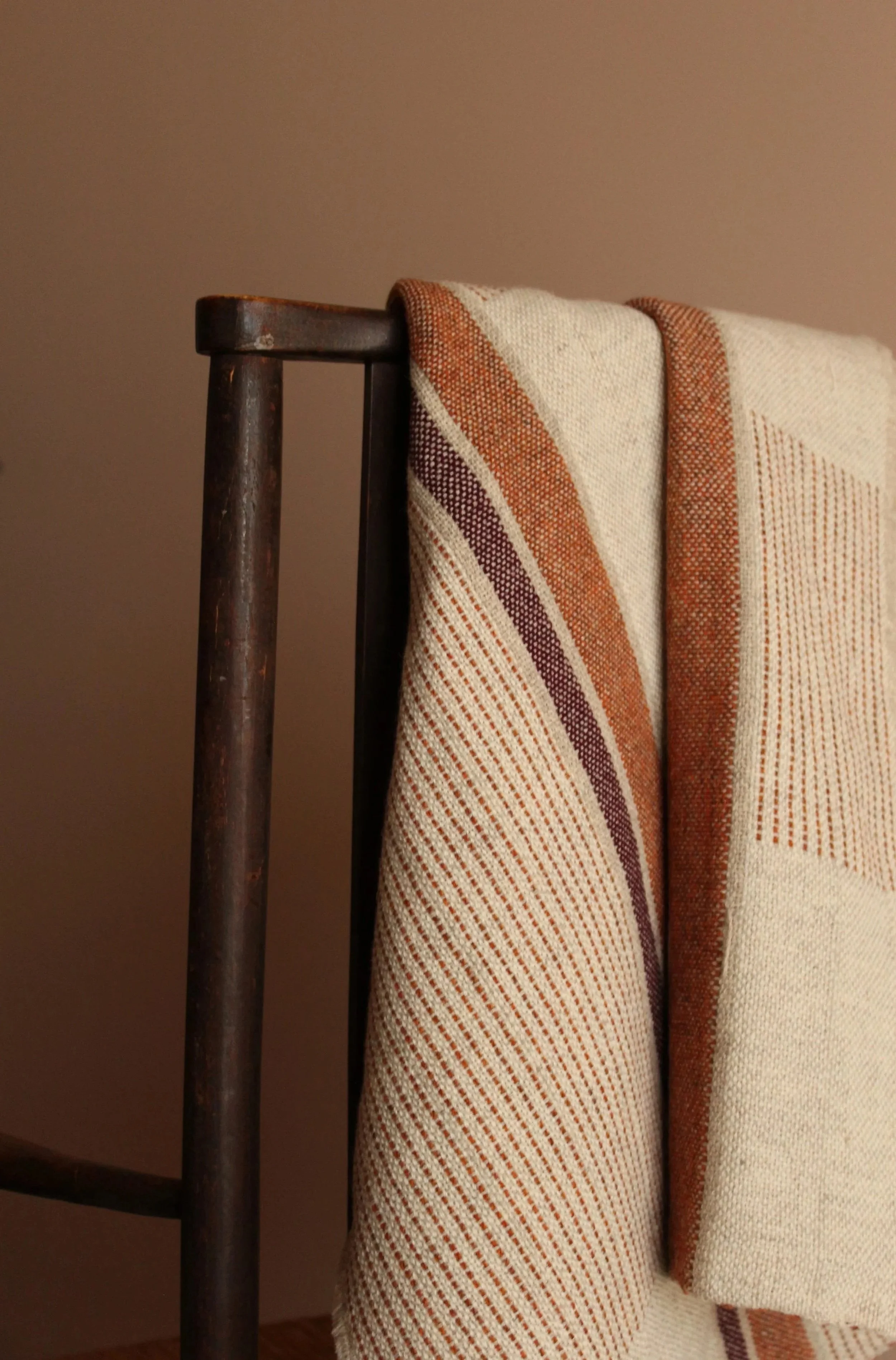
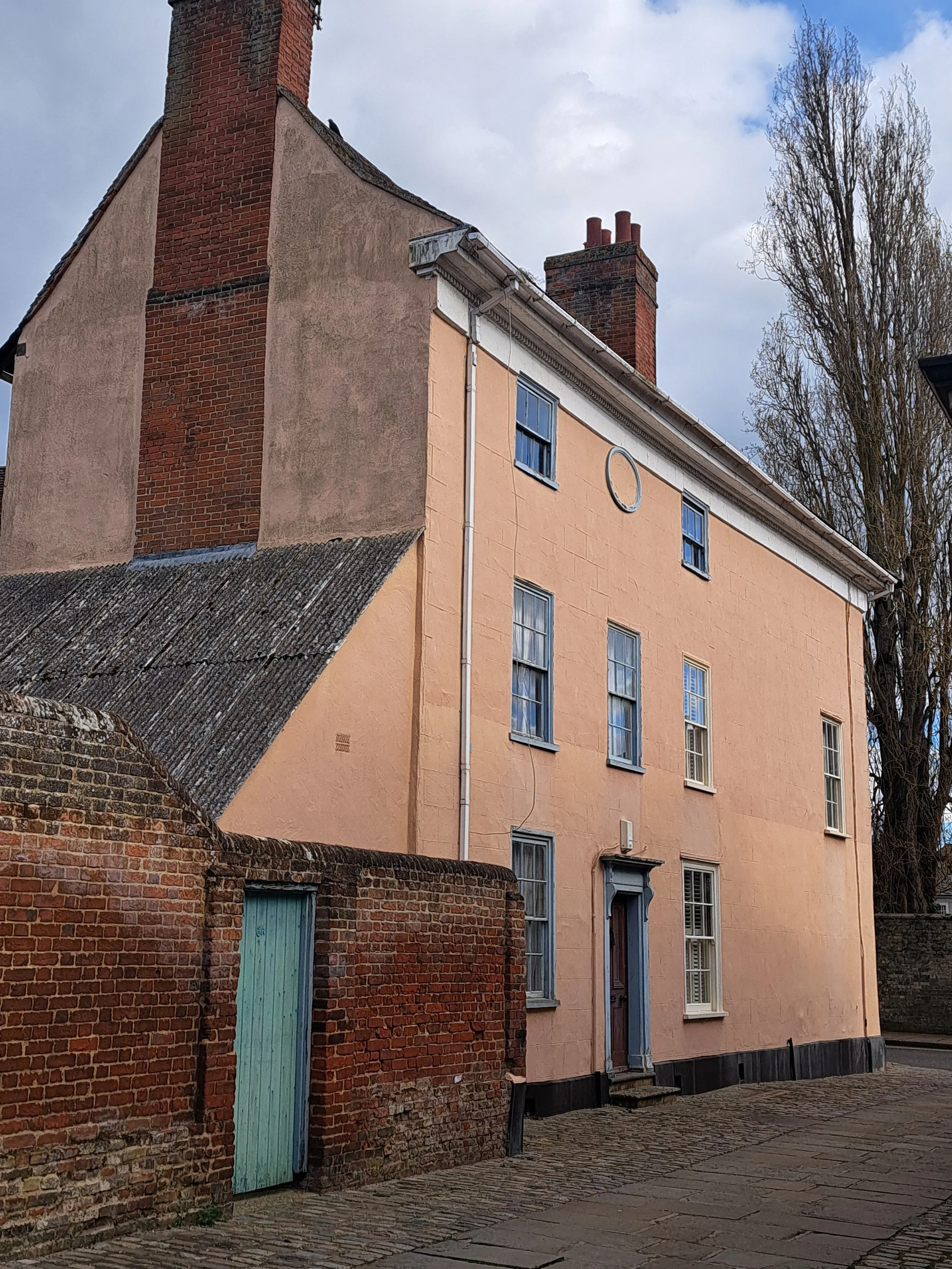
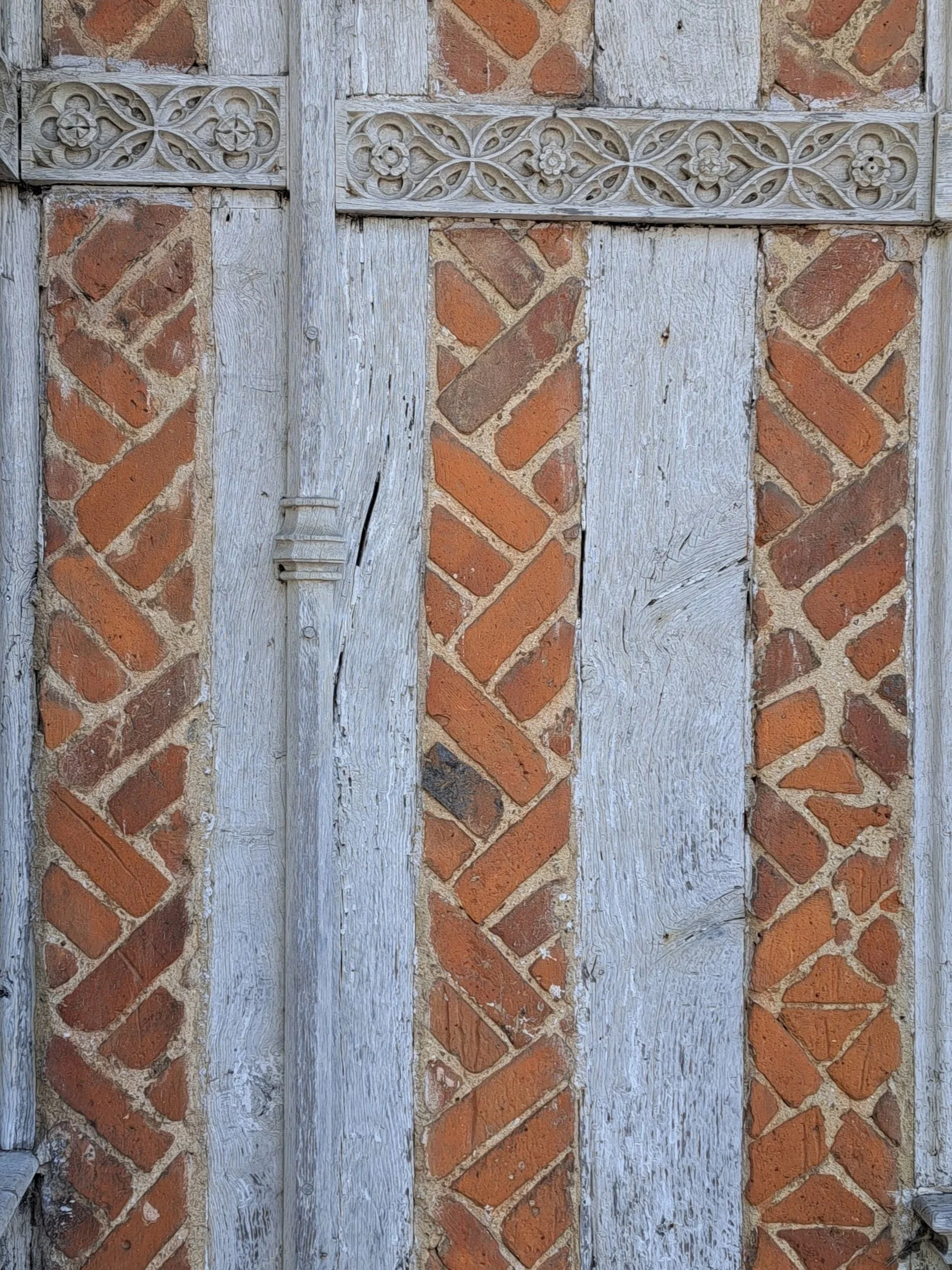
The second blanket, Apple Acre is a quieter than its pair but equally lovely. The ground colour is created with a little fleck of rust which blends visually with the chalky yarn to make a warm pinky tone, reminiscent of these wonderful soft Suffolk pinks below. The pattern of chalk blocks is interrupted at wide intervals across the blanket by a pair of stripes in rust and deep damson red. The Apple Acre has a wonderfully timeless quality and a quiet charm.
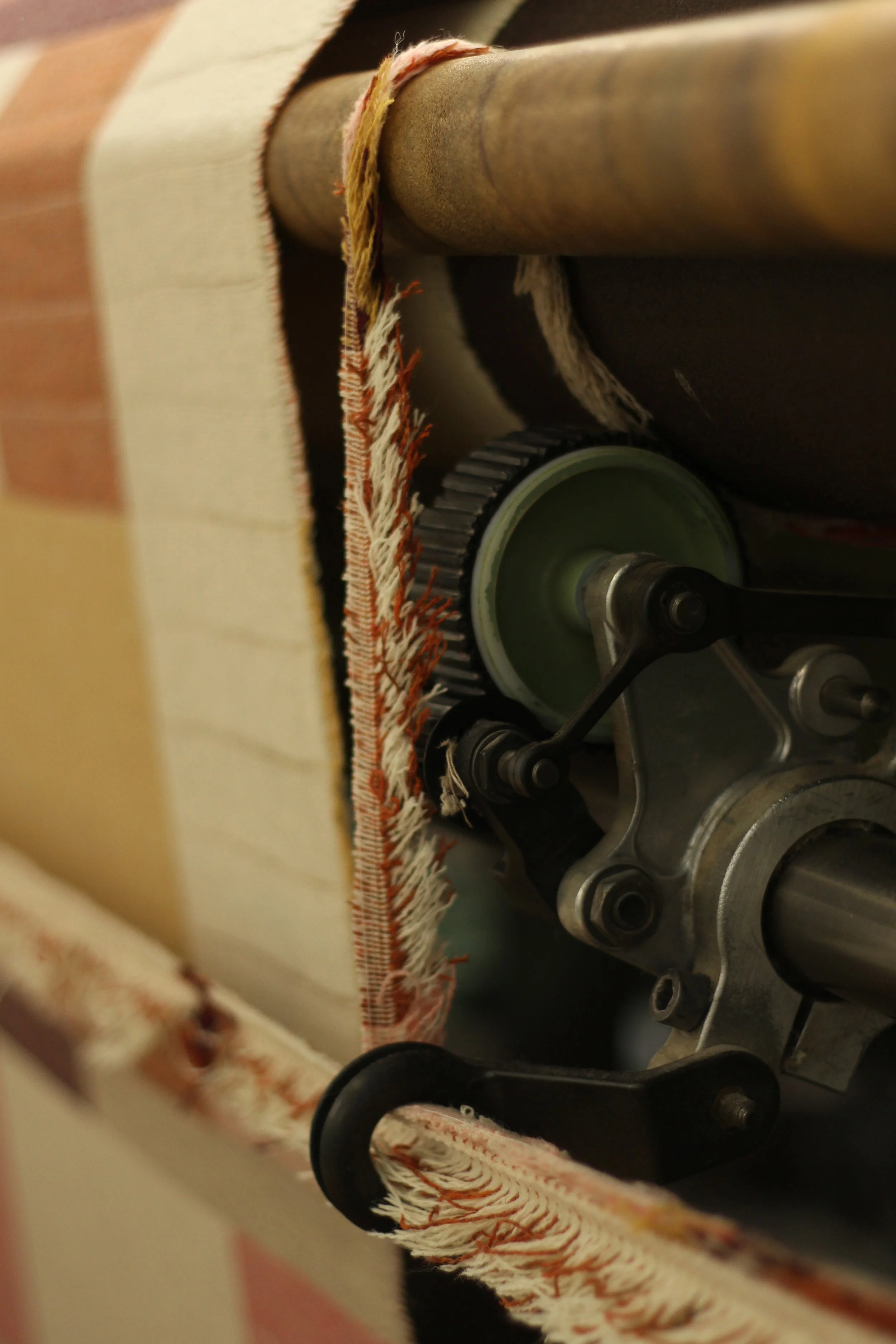
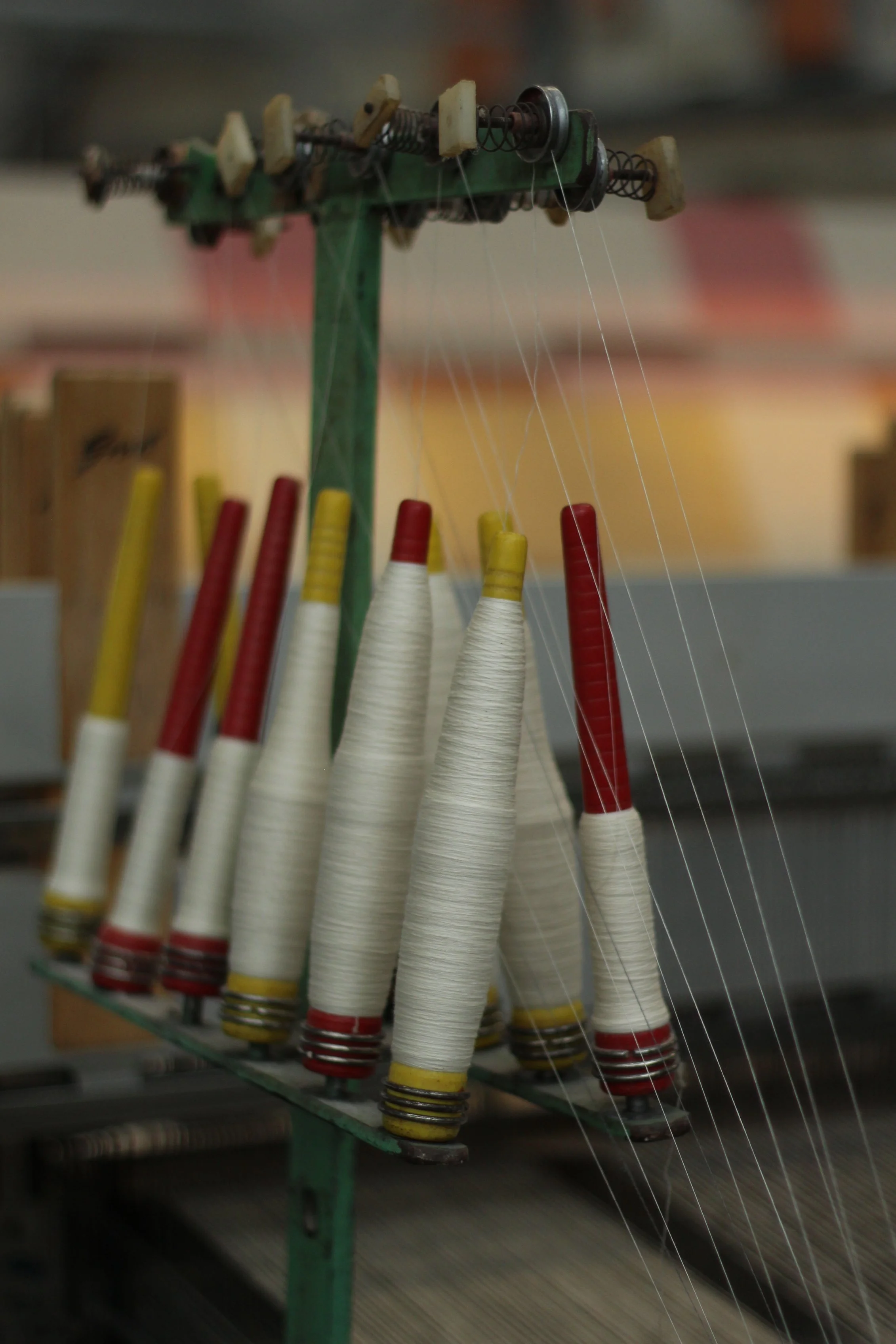
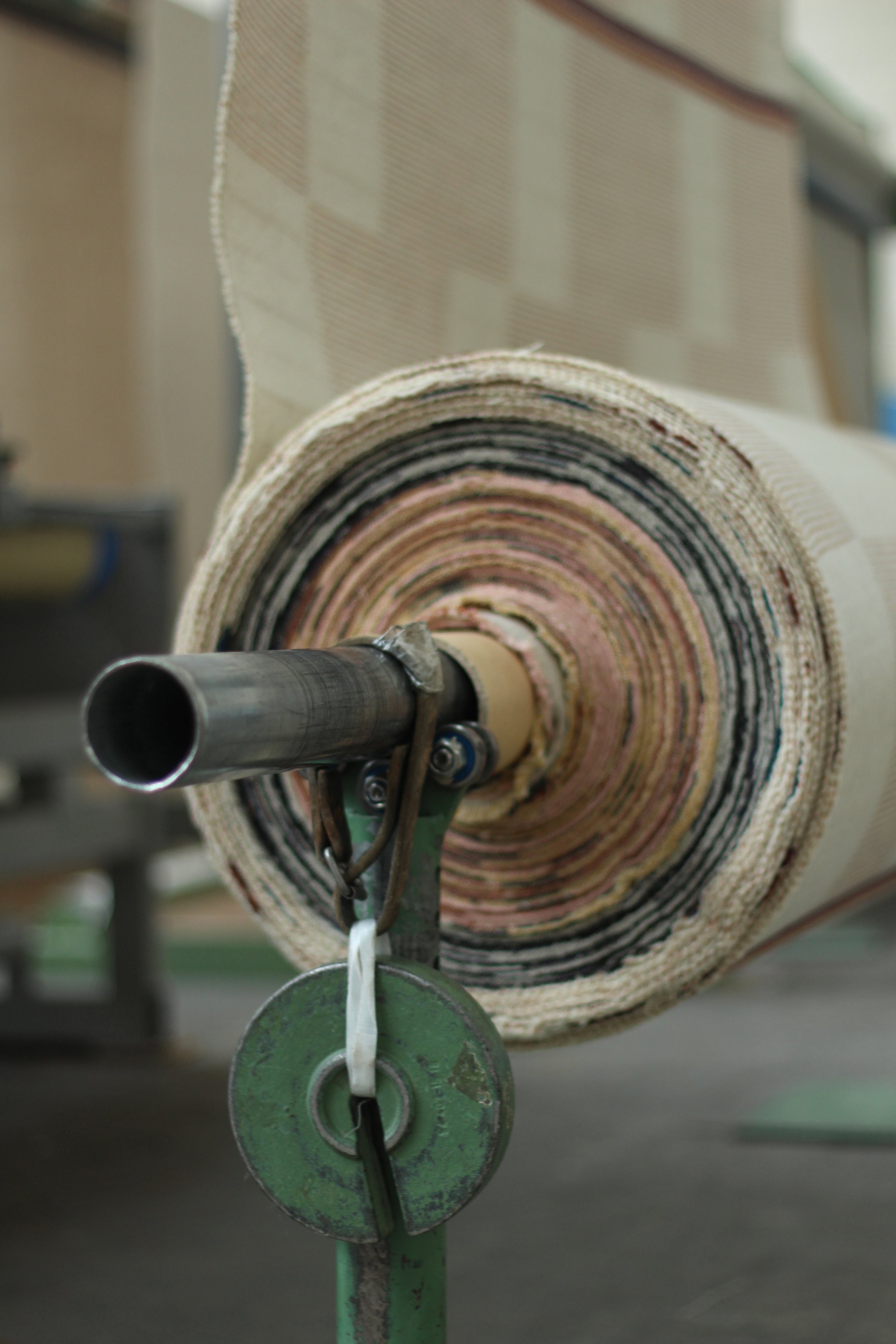
Once all the sampling was completed, the blankets were woven at the Lancashire mill I have worked with for many years. This wonderful third generation family-run mill combines the best of British tradition and modern technology. I always go up to oversee new designs in production, and I love the sense of purposeful energy which the highly-skilled team there embody.
The mill is situated in a beautiful rural corner of Lancashire, on the highest point of the Leeds to Liverpool Canal. The oldest building here dates back to Thomas Arkwright, with the wonderful stone-built weave shed complete with north-facing factory-glazed roof added by the current owner’s grandfather in the 1920’s.
I love the feeling that these blankets play a tiny part in the long history of British textile production.
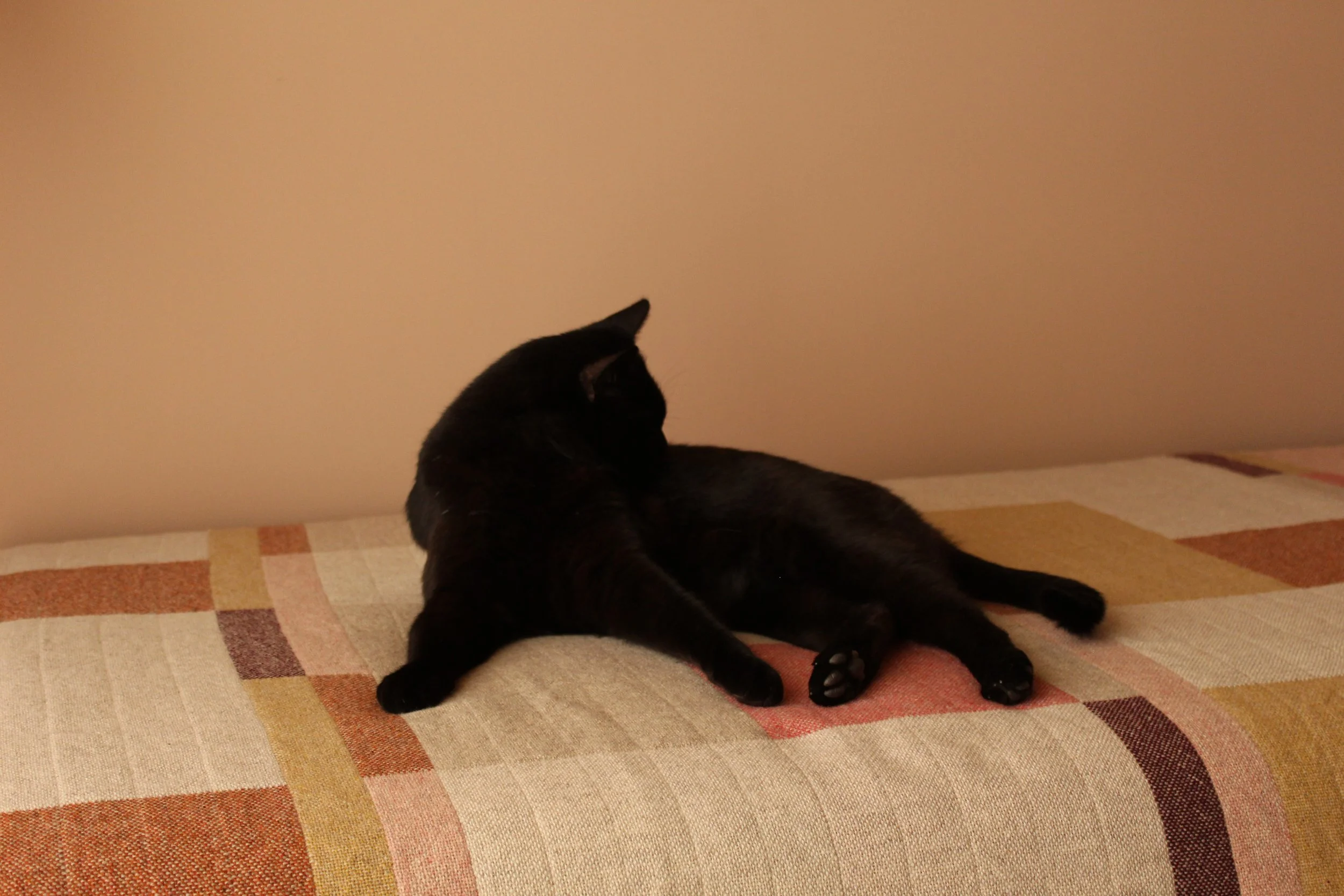
As always, of course, the proof is in the pudding… Here is a sample of the Folly Field in our spare room at home. It certainly gets the seal of approval from young Kenneth here.